
COP30: UN Climate Change Conference Opens in Brazil’s Amazon Rainforest


In November 2025, the United Nations Climate Change Conference (COP30) opened in the city of Belém, Brazil—a symbolic heart of the Amazon and a monumental setting for the world’s most anticipated climate summit. This year marks the first time the UN Climate Conference takes place deep within the world’s largest rainforest, sending a clear and powerful message: the path to solving the global climate crisis must begin where nature itself stores—and now risks releasing—the planet’s largest reserves of carbon.
Global Leaders Unite for Climate Action in Belém
World leaders, policy experts, and civil society stakeholders have convened under the canopy of the Amazon to accelerate collective efforts to tackle climate change. Gathered by the UNFCCC, this climate summit in Brazil is more than a diplomatic meeting—it’s a reminder that the health of the Amazon is inseparable from the health of the entire planet. As delegates discuss new climate finance mechanisms, strategies to reduce emissions, and nature-based solutions, attention is firmly placed on keeping global warming below 1.5 degrees Celsius.
Belém, known for its position at the mouth of the mighty Amazon River, has become the global capital of hope and urgency—a living symbol of what is at stake if governments fail to act ambitiously enough this decade.
The Amazon at the Center of Climate Change Discussions
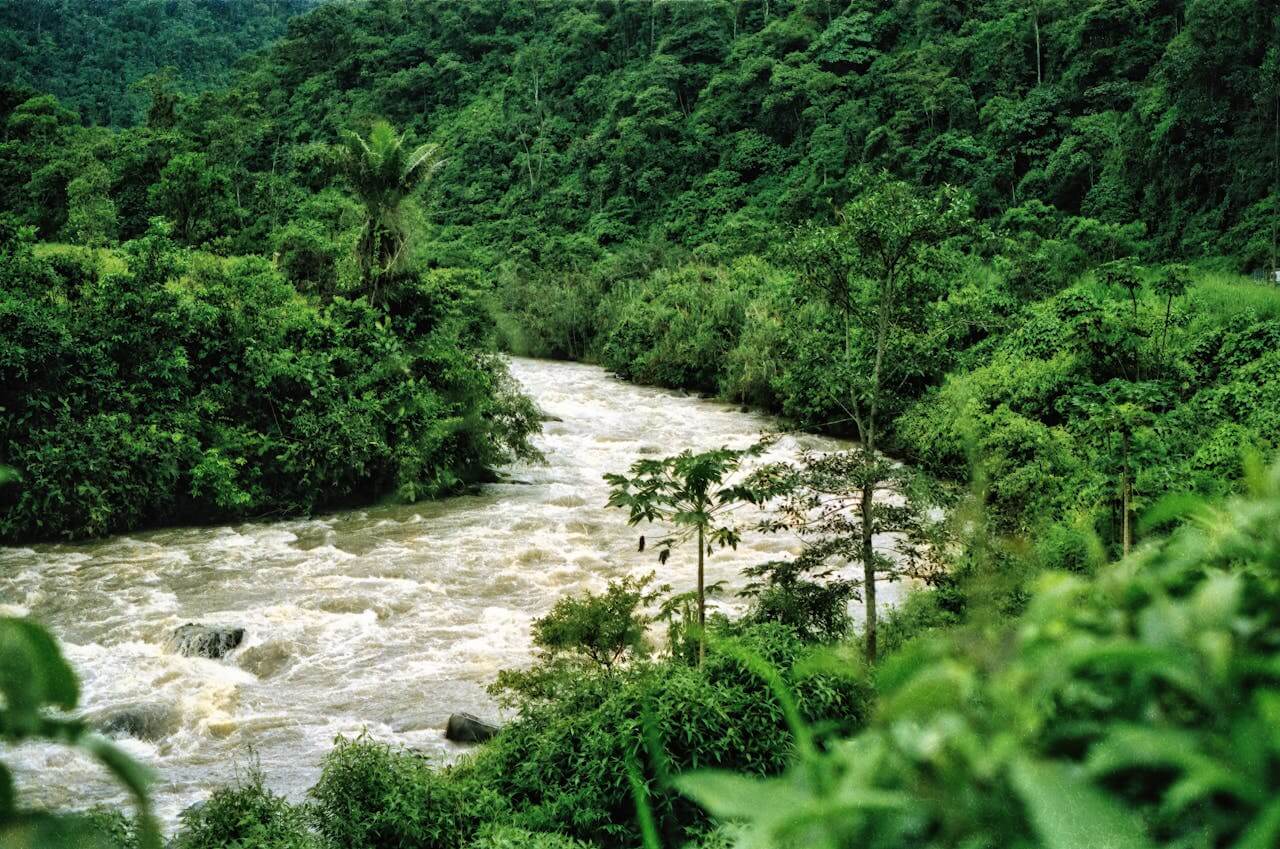
The Amazon rainforest—often called the “lungs of the Earth”—absorbs billions of tons of carbon dioxide each year. Yet it is under immense pressure. Deforestation, driven by agriculture, illegal logging, and mining, threatens to push the ecosystem toward an irreversible tipping point. Scientists warn that once lost, the forest’s intricate water cycles and biodiversity web could collapse, releasing massive quantities of stored carbon back into the atmosphere.
COP30 places special emphasis on restoring forest ecosystems through sustainable land management and reforestation. Initiatives that support local communities while creating measurable carbon capture—such as corporate reforestation platforms and verified tree planting services—are gaining global attention as a core strategy for both emission reduction and biodiversity recovery.
Reaffirming the Paris Agreement and Raising Ambitions
A central goal of COP30 is reaffirming and strengthening commitments made under the Paris Agreement. Countries are presenting their updated nationally determined contributions (NDCs), detailing how they plan to reduce greenhouse gas emissions in line with science-based targets. The message from this climate change conference is clear: each nation must move from pledges to measurable progress before the window to limit warming to 1.5°C closes.
As climate talks advance, attention is also on how governments can leverage private sector innovation—from automated tree planting for businesses to tree-as-a-service APIs—to expand global reforestation at scale.
Brazil’s Leadership and Climate Diplomacy
Hosting COP30 positions Brazil as a leader in global climate diplomacy. Under President Luiz Inácio Lula da Silva, Brazil has recommitted to ending illegal deforestation by 2030 and rebuilding trust in the international climate process. Foreign Minister Corrêa do Lago highlighted that “our rainforest is not a resource to be exploited but a responsibility to be shared.” This sentiment echoes across delegations emphasizing equity and collective stewardship of planetary systems.
Additionally, discussions on climate finance frameworks and technology transfers are gaining momentum. These talks stress that protecting ecosystems like the Amazon is both an environmental necessity and an economic opportunity for sustainable development across the Global South.
Voices of Indigenous Leadership
At COP30, Indigenous leaders from across the Amazon Basin have emerged as critical contributors to the global dialogue. Their ancestral knowledge, land stewardship, and advocacy for environmental justice highlight that effective climate action is deeply rooted in respect for those who have protected nature the longest.
Indigenous participation underscores that climate solutions cannot be imported—they must be co-created with local guardians of the forest. Their presence at this UN Climate Summit is both a reminder and an inspiration: protecting culture and protecting climate are one and the same mission.
From Talks to Tangible Action
The two-week summit in Belém runs until 21 November 2025, but its real impact will depend on what happens after world leaders return home. To “tackle climate change” in this critical decade, countries must translate their pledges into transparent, measurable actions—whether through renewable energy, ecosystem protection, or verified reforestation projects.
It is this bridge from promise to proof that defines meaningful progress—and it’s where platforms like Bloomy Earth are helping shift the landscape of accountability.
Connecting Global Goals to Local Roots
At Bloomy Earth, we see COP30 as a defining moment. The discussions taking place under the Amazon’s canopy echo our mission: transforming climate commitments into measurable results through reforestation projects that restore ecosystems, protect biodiversity, and capture carbon. Whether you are an individual or a business seeking a carbon-neutral plan, Bloomy Earth offers tools and a transparent impact dashboard to turn climate optimism into real-world outcomes.
From the negotiating tables of Belém to your everyday choices, every action adds up. Join us in creating measurable, transparent, and accessible climate action—one tree, one project, one shared planet at a time.


Responses